
Adébayo Bolaji British, b. 1983
-
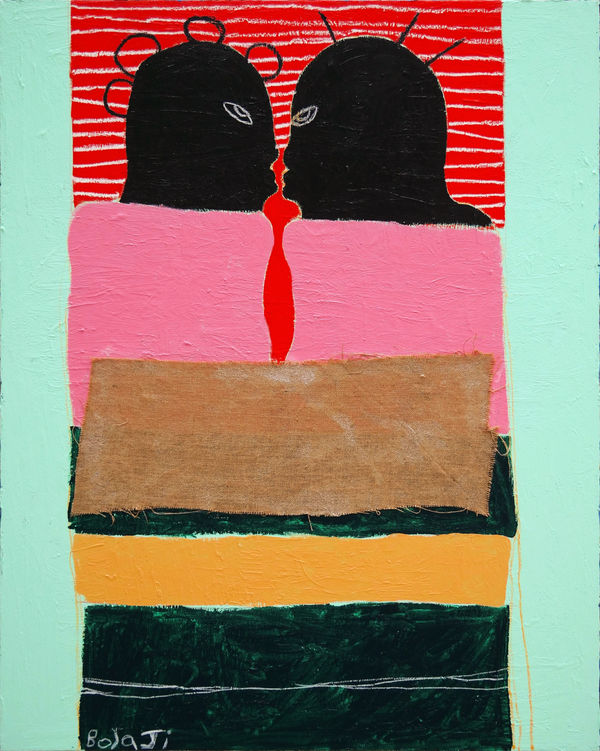
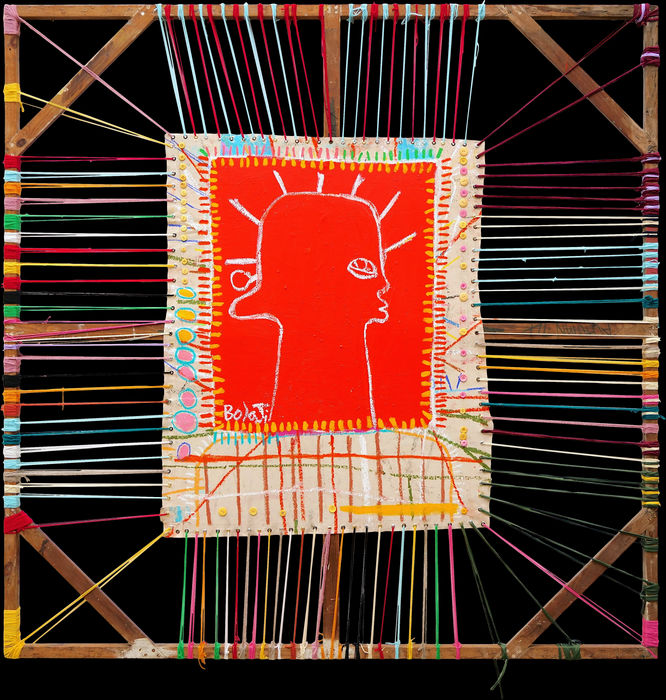 Because of Love, 2024
-
 Birth, 2024
-
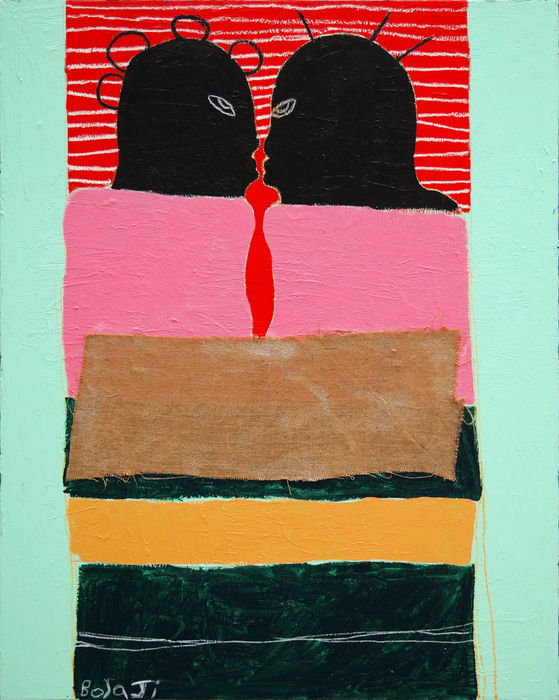 The Gaze, 2024
-
 The Splendour, 2024
-
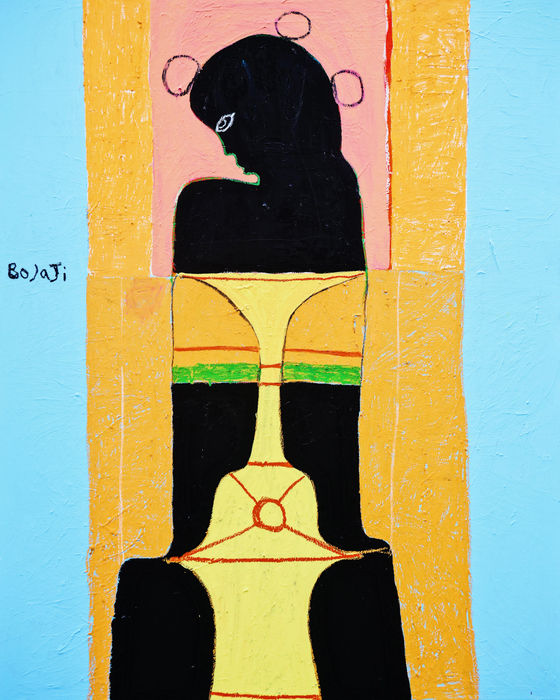 Her Renaissance, 2022
-
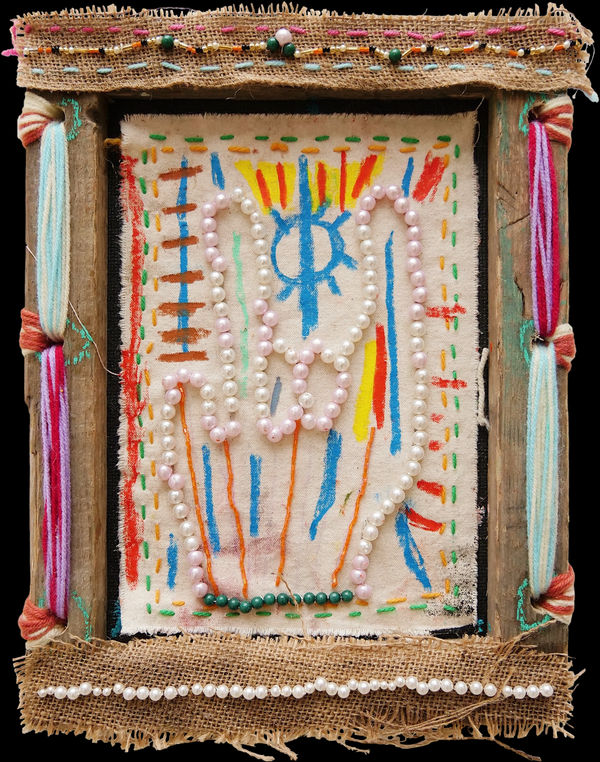
 PSALMS 002, 2022
-
 PSALMS 003, 2022
-
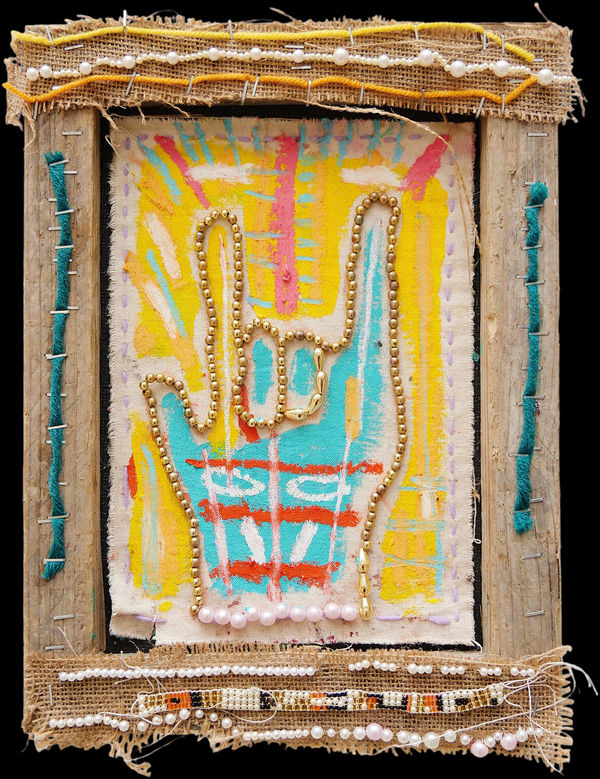
 I Love You 002., 2024
-
 I Love You 003., 2024
-
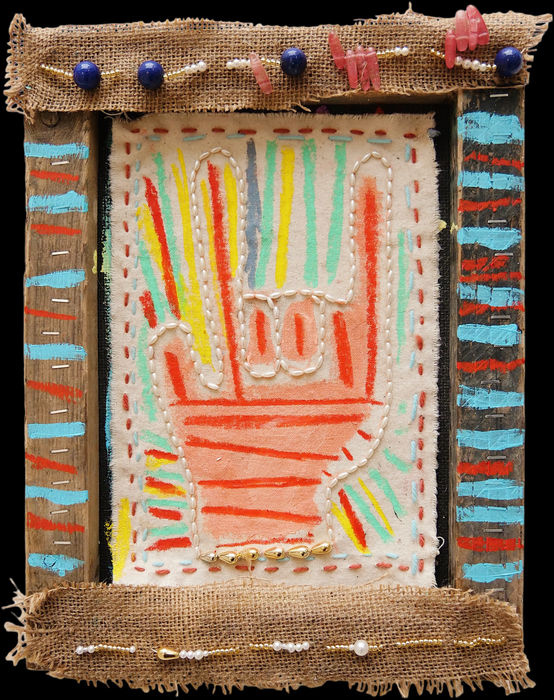 I Love You 004., 2024
-
 I Love You 005., 2024
Adébayo Bolaji paints figures and symbols in acrylic, oil pastel, and mixed media. He builds images through layers of color, changes in scale, and forms that shift between recognizable bodies and abstraction. His painting, sculpture, film, and writing consider personal change and the individual’s place in society.
-
 Because of Love, 2024
 -
Birth, 2024
-
The Gaze, 2024
-
The Splendour, 2024
-
Her Renaissance, 2022
-
PSALMS 002, 2022
-
PSALMS 003, 2022
-
I Love You 002., 2024
-
I Love You 003., 2024
-
I Love You 004., 2024
-
I Love You 005., 2024






-
Because of Love, 2024
-
Birth, 2024
-
The Gaze, 2024
-
The Splendour, 2024
-
Her Renaissance, 2022
-
PSALMS 002, 2022
-
PSALMS 003, 2022
-
I Love You 002., 2024
-
I Love You 003., 2024
-
I Love You 004., 2024
-
I Love You 005., 2024
Adébayo Bolaji (born 1983) is a British artist whose multidisciplinary practice centers on painting and sculpture. Born in West London to Nigerian parents, Bolaji performed in West End theatre as a teenager. He also earned a law degree before turning to visual art. In his early thirties, Bolaji took up painting without formal art-school training. Describing himself as largely self-taught, he notes that his background in acting and law furnished him with useful tools for his art, such as a habit of probing “the right questions” and a flair for narrative storytelling.
He characterizes the core of his work as a “dialogue of change,” a continuous exploration of transformation and the act of letting go. Recurring themes across his oeuvre include cultural identity, collective memory, and the individual’s role in society. Bolaji draws equally from his Nigerian heritage and his British upbringing, reflecting what it means to live between cultures. Often he incorporates materials like African textiles and found objects into his paintings as symbolic elements, using them to address questions of heritage, change, and continuity in a contemporary context.
Bolaji’s paintings combine figuration and abstraction. He constructs allegorical compositions in which human figures emerge from fields of vibrant color and fragmented form. Art-historical and cultural influences are woven into this style: Bolaji finds inspiration in the storytelling rituals and aesthetic motifs of Yoruba culture, including influences from the Oshogbo art movement of Nigeria, evident in his use of intricate patterns and rhythmic lines. At the same time, he channels the urban energy of contemporary London, blending these elements into what he has called a “visual collage” that seeks truth without hiding the process of its making. Bolaji works in an improvisational, intuitive manner, likening the act of painting to a dance that balances accident and intention. This openness to chance contributes to the richly layered surfaces of his canvases, as colors and forms are built up then partially scraped away, revealing traces of earlier layers. Bolaji sometimes inscribes his own signature repeatedly within a painting—a gesture born of past pressure to Anglicize his name and now serving as a proud reaffirmation of identity.
His first solo exhibition in 2018 explored the transformative power of color as a tool for healing and self-expression. In subsequent years he mounted further solo shows at galleries and museums internationally and participated in artist residencies. In 2024, Bolaji had a solo exhibition at Arnolfini in Bristol. While observers place Bolaji among a new generation of artists navigating hybrid cultural identities, he himself resists being pigeonholed by ethnicity or geography and emphasizes his identity as a Londoner of Nigerian descent, challenging simplistic labels in the art world. Bolaji lives and works in London.